France Gall
View on IMDb ↗Biography
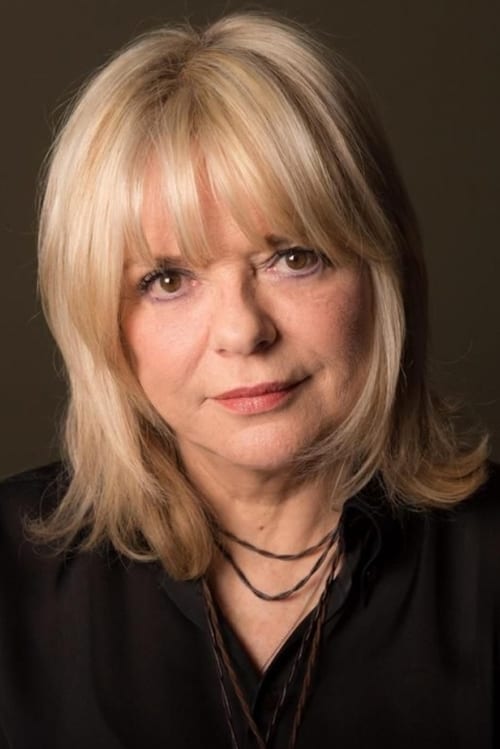
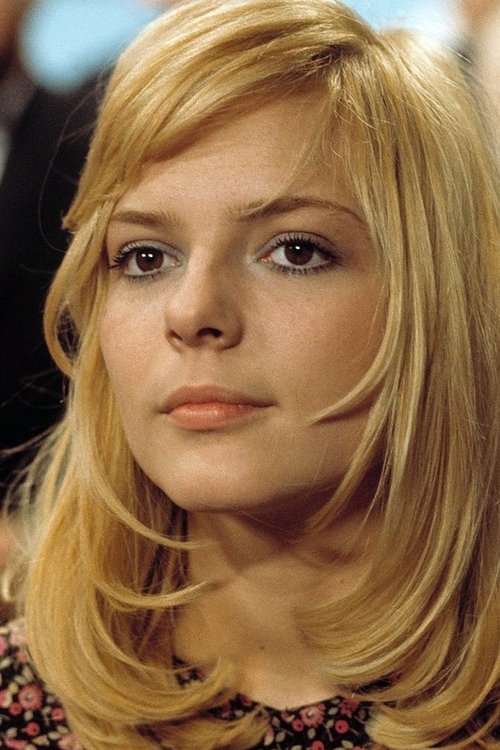
Isabelle Geneviève Marie Anne Gall (9 October 1947 – 7 January 2018), known professionally as France Gall, was a French yé-yé singer. In 1965, at the age of 17, she won the tenth edition of the Eurovision Song Contest with the song "Poupée de cire, poupée de son", representing Luxembourg. Later in her career, she worked with singer-songwriter Michel Berger, whom she married in 1976. Her most successful singles include "Résiste", "Ella, elle l'a" and "Évidemment".
Gall was born in Paris on 9 October 1947, to a highly musical family. Her father, the lyricist Robert Gall, wrote songs for Édith Piaf and Charles Aznavour. Her mother, Cécile Berthier, was a singer as well and the daughter of Paul Berthier, the co-founder of Les Petits Chanteurs à la Croix de Bois. The only daughter of her family, France had two brothers: Patrice and Philippe. In spring 1963, Robert Gall encouraged his daughter to record songs and send the demos to the music publisher Denis Bourgeois. That July, she auditioned for Bourgeois at the Théâtre des Champs-Élysées in Paris, after which Bourgeois wanted to sign her immediately. France was subsequently signed to Philips.
At the time, Bourgeois was working for the label as artistic director for Serge Gainsbourg and assumed this role for Gall as well. He encouraged her to record four tracks with the French jazz musician, arranger and composer Alain Goraguer.
The first airplay of Gall's first single "Ne sois pas si bête" ("Don't Be So Stupid") occurred on her 16th birthday. It was released in November and became a hit, selling 200,000 copies. Gainsbourg, who had released several albums and written songs for singers including Michèle Arnaud and Juliette Gréco, was asked by Bourgeois to write songs for Gall. Gainsbourg's "N'écoute pas les idoles" ("Don't listen to the idols") was Gall's second single; it reached the top of the French charts in March 1964 and stayed there for three weeks.
At the same time, Gall made her live debut, opening for Sacha Distel in Belgium. She teamed with Distel's business manager Maurice Tézé, a lyricist, which allowed her to create an original repertoire, unlike the majority of her contemporaries who sang adaptations of Anglophone hits. Elaborate orchestrations by Alain Goraguer blended styles, permitting her to navigate among jazz, children's songs, and other genres. Examples of this mixed-genre style included "Jazz à gogo" (by Alain Goraguer and Robert Gall) and "Mes premières vraies vacances" (by Jacques Datin and Maurice Vidalin). Gall and Gainsbourg's association produced many popular singles, continuing through the summer of 1964 with the hit song "Laisse tomber les filles" ("Leave the girls alone") followed by "Christiansen" by Datin-Vidalin. Gainsbourg also secretly recorded Gall's laughter to use on "Pauvre Lola", a track on his 1964 album Gainsbourg Percussions.
Having previously resisted, Gall gave in to her managers at the end of 1964 and recorded a single intended for children. The song "Sacré Charlemagne", written by her father, and set to the music of George Liferman, was a hit in 1965, peaking at number one in France and number five in Turkey. ...
Source: Article "France Gall" from Wikipedia in English, licensed under CC-BY-SA.
Gall was born in Paris on 9 October 1947, to a highly musical family. Her father, the lyricist Robert Gall, wrote songs for Édith Piaf and Charles Aznavour. Her mother, Cécile Berthier, was a singer as well and the daughter of Paul Berthier, the co-founder of Les Petits Chanteurs à la Croix de Bois. The only daughter of her family, France had two brothers: Patrice and Philippe. In spring 1963, Robert Gall encouraged his daughter to record songs and send the demos to the music publisher Denis Bourgeois. That July, she auditioned for Bourgeois at the Théâtre des Champs-Élysées in Paris, after which Bourgeois wanted to sign her immediately. France was subsequently signed to Philips.
At the time, Bourgeois was working for the label as artistic director for Serge Gainsbourg and assumed this role for Gall as well. He encouraged her to record four tracks with the French jazz musician, arranger and composer Alain Goraguer.
The first airplay of Gall's first single "Ne sois pas si bête" ("Don't Be So Stupid") occurred on her 16th birthday. It was released in November and became a hit, selling 200,000 copies. Gainsbourg, who had released several albums and written songs for singers including Michèle Arnaud and Juliette Gréco, was asked by Bourgeois to write songs for Gall. Gainsbourg's "N'écoute pas les idoles" ("Don't listen to the idols") was Gall's second single; it reached the top of the French charts in March 1964 and stayed there for three weeks.
At the same time, Gall made her live debut, opening for Sacha Distel in Belgium. She teamed with Distel's business manager Maurice Tézé, a lyricist, which allowed her to create an original repertoire, unlike the majority of her contemporaries who sang adaptations of Anglophone hits. Elaborate orchestrations by Alain Goraguer blended styles, permitting her to navigate among jazz, children's songs, and other genres. Examples of this mixed-genre style included "Jazz à gogo" (by Alain Goraguer and Robert Gall) and "Mes premières vraies vacances" (by Jacques Datin and Maurice Vidalin). Gall and Gainsbourg's association produced many popular singles, continuing through the summer of 1964 with the hit song "Laisse tomber les filles" ("Leave the girls alone") followed by "Christiansen" by Datin-Vidalin. Gainsbourg also secretly recorded Gall's laughter to use on "Pauvre Lola", a track on his 1964 album Gainsbourg Percussions.
Having previously resisted, Gall gave in to her managers at the end of 1964 and recorded a single intended for children. The song "Sacré Charlemagne", written by her father, and set to the music of George Liferman, was a hit in 1965, peaking at number one in France and number five in Turkey. ...
Source: Article "France Gall" from Wikipedia in English, licensed under CC-BY-SA.
Photos