Cheng Zhi
View on IMDb ↗Biography
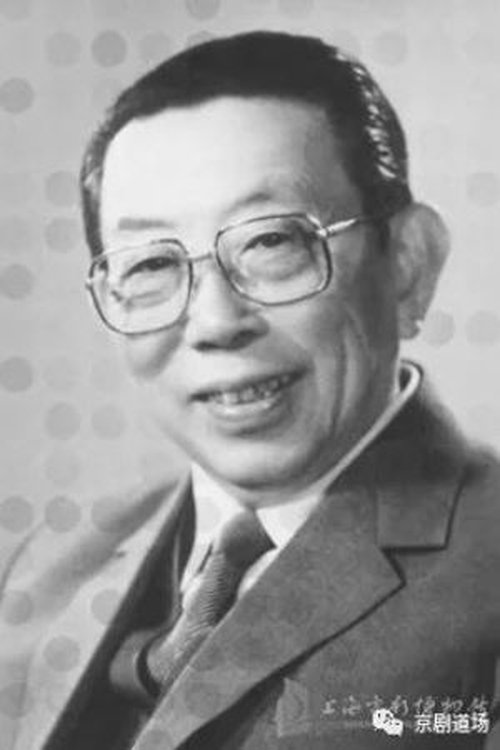
Zhi Cheng Zhi was born on February 3, 1926 in Wuchang, Hubei. Two years later he moved to Shanghai with his grandfather, tenth-ranking scholar. Grandfather was proficient in poetry, calligraphy, and seal engraving. At the end of the Qing Dynasty, he was the supervisor of the Yuelu Academy in Hunan. He has more than ten albums, and has compiled and published many representative works of the Tan School. He was employed as a librarian in the Shanghai Museum of Cultural History in the late 1950s. Young Zhi Cheng has loved Peking Opera since he was young. He returned to La Jinghu without a teacher at the age of six. He broadcasted on the radio at the age of eight and sang Peking opera. At the age of eleven, he produced the Peking Opera record "Yu Guo Yuan". After graduating from high school in 1944, Cheng was admitted to the Fudan Department of Economics. Because of his passion for acting, he participated in a charity fundraising event sponsored by Shen Bao at the time during his studies in Fudan. The repertoire for the free performance is "Rich Clouds", directed by Huang Zuolin.
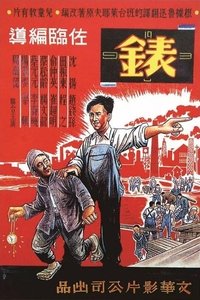
On January 1, 1945, Cheng Zhi dropped out of school to perform a drama. He joined the hard work troupe led by Huang Zuolin and has since embarked on an acting career that he has worked for all his life. In 1947, Cheng Zhi entered Mandarin Pictures. The first film he participated in was "Fake Phoenix", in which he played "Hairdresser No.5". In the film, the hairdresser No.5 sang a popular song of self-singing and singing, which left a deep impression on the audience. impression. After succesuful debut Zhi Cheng shot more than a dozen films such as "Night Club" and "Corrosion".
In 1952, eight private film companies in Shanghai merged to form the Shanghai United Film Studio. In 1953 "Lianying" was incorporated into the Shanghai Film Studio. During this period, Zhi Cheng has participated in the filming of "My Life" and "Related Directors". In the mid-fifties, Cheng Zhi donated airplane cannons to perform Beijing opera "Empty City Plan" and "Capturing Cao", etc., and recorded the radio programs Peking Opera chanting and cross talk for Taiwan People's Broadcasting Station and Fujian People's Broadcasting Station. To enable the people of Taiwan to understand the motherland and contribute to the exchanges across the Taiwan Straits.
The Cultural Revolution began in 1966, Zhi Cheng was not spared, and the revolutionary masses became "objects of revolution" overnight. In July 1967, he was ordered to stay in the factory to inspect and participate in the so-called "study class", that is, the "isolation review" in disguise. One pass was ten months. In May 1968, the class ended. In 1969, a large number of people in the film system were decentralized to work in the "May 7th" cadre school in Fengxian. Zhi Cheng was still the "censorship object" and worked in the "cadre school" for four years.
On January 1, 1945, Cheng Zhi dropped out of school to perform a drama. He joined the hard work troupe led by Huang Zuolin and has since embarked on an acting career that he has worked for all his life. In 1947, Cheng Zhi entered Mandarin Pictures. The first film he participated in was "Fake Phoenix", in which he played "Hairdresser No.5". In the film, the hairdresser No.5 sang a popular song of self-singing and singing, which left a deep impression on the audience. impression. After succesuful debut Zhi Cheng shot more than a dozen films such as "Night Club" and "Corrosion".
In 1952, eight private film companies in Shanghai merged to form the Shanghai United Film Studio. In 1953 "Lianying" was incorporated into the Shanghai Film Studio. During this period, Zhi Cheng has participated in the filming of "My Life" and "Related Directors". In the mid-fifties, Cheng Zhi donated airplane cannons to perform Beijing opera "Empty City Plan" and "Capturing Cao", etc., and recorded the radio programs Peking Opera chanting and cross talk for Taiwan People's Broadcasting Station and Fujian People's Broadcasting Station. To enable the people of Taiwan to understand the motherland and contribute to the exchanges across the Taiwan Straits.
The Cultural Revolution began in 1966, Zhi Cheng was not spared, and the revolutionary masses became "objects of revolution" overnight. In July 1967, he was ordered to stay in the factory to inspect and participate in the so-called "study class", that is, the "isolation review" in disguise. One pass was ten months. In May 1968, the class ended. In 1969, a large number of people in the film system were decentralized to work in the "May 7th" cadre school in Fengxian. Zhi Cheng was still the "censorship object" and worked in the "cadre school" for four years.
Photos