Ed Bishop
View on IMDb ↗Biography
George Victor Bishop (11 June 1932 – 8 June 2005), known professionally as Ed Bishop or sometimes Edward Bishop, was an American actor. He was known for playing Commander Ed Straker in UFO, Captain Blue in Captain Scarlet and the Mysterons and for voicing Philip Marlowe in a series of BBC Radio adaptations of the Marlowe novels by Raymond Chandler.
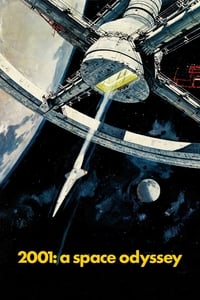
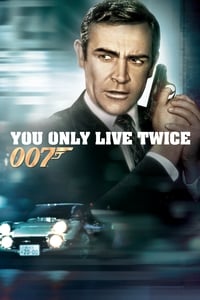
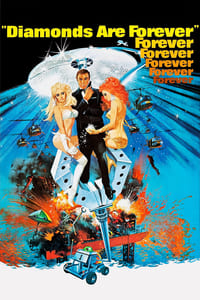
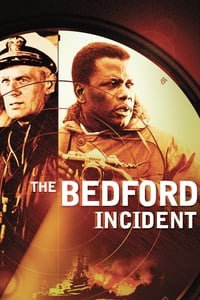
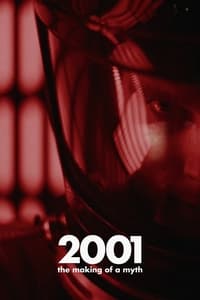
Bishop made his film acting debut as an ambulance driver in Stanley Kubrick's 1962 movie Lolita. He played an American astronaut going to the Moon in the film The Mouse on the Moon (1963) and also appeared in The Bedford Incident (1965) and Battle Beneath the Earth (1967). He had small speaking roles in the James Bond films You Only Live Twice (1967) and Diamonds Are Forever (1971), but was not included in the film credits for either. He appeared in a second Kubrick film, 2001: A Space Odyssey (1968), in which he played the Captain of the Aries 1B Moon shuttle. The role initially featured dialogue but this was later cut from his scenes.
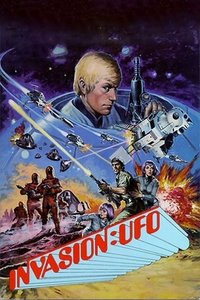
Bishop appeared in various film and television projects created by producer Gerry Anderson. He provided narration, in addition to the voice of Captain Blue, for Anderson's Supermarionation puppet series, Captain Scarlet and the Mysterons (1967), and appeared in Anderson's science-fiction film Doppelgänger (1969). Perhaps his most prominent screen role was that of Commander Ed Straker in Anderson's science-fiction series UFO (1970–71). Bishop's dark hair was initially dyed blond for the role, though he eventually wore a blond wig instead.
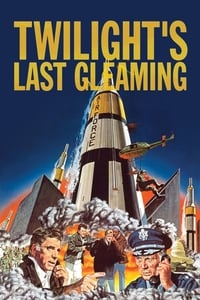
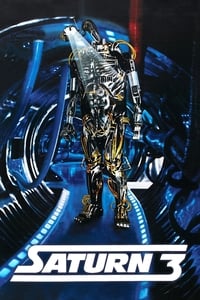
In later years, he appeared in films such as Twilight's Last Gleaming, Saturn 3, Silver Dream Racer, and The Lords of Discipline. He provided vocal work for the 1974 animated TV series of Star Trek, and appeared as Lieutenant Colonel Harrity in the final episode of the British World War II prisoner-of-war drama Colditz. In the 1980s, he made several appearances on The Kenny Everett Television Show, Whoops Apocalypse (he also appeared in the subsequent film), and had a role in the children's television series Chocky's Children.
He continued to act on film, TV and radio, usually in British and European productions, and was a frequent guest at science fiction conventions. He and fellow Anderson actor Shane Rimmer (a Canadian actor who often worked in the UK) joked about how frequently their professional paths crossed and termed themselves "Rent-a-yank". They appeared together as NASA operatives in the opening of You Only Live Twice and as United States Navy sailors in The Bedford Incident, as well as the 1983 film of the Harold Robbins novel The Lonely Lady. In 1989, Bishop was reunited with Rimmer and another Anderson actor, Matt Zimmerman, in the BBC Radio 4 adaptation of Sir Arthur Conan Doyle's A Study in Scarlet. He and Rimmer also toured together in theatre shows, including Death of a Salesman in the 1990s, and they both appeared in the BBC drama-documentary Hiroshima (2005), one of Bishop's last TV projects.
Bishop made his film acting debut as an ambulance driver in Stanley Kubrick's 1962 movie Lolita. He played an American astronaut going to the Moon in the film The Mouse on the Moon (1963) and also appeared in The Bedford Incident (1965) and Battle Beneath the Earth (1967). He had small speaking roles in the James Bond films You Only Live Twice (1967) and Diamonds Are Forever (1971), but was not included in the film credits for either. He appeared in a second Kubrick film, 2001: A Space Odyssey (1968), in which he played the Captain of the Aries 1B Moon shuttle. The role initially featured dialogue but this was later cut from his scenes.
Bishop appeared in various film and television projects created by producer Gerry Anderson. He provided narration, in addition to the voice of Captain Blue, for Anderson's Supermarionation puppet series, Captain Scarlet and the Mysterons (1967), and appeared in Anderson's science-fiction film Doppelgänger (1969). Perhaps his most prominent screen role was that of Commander Ed Straker in Anderson's science-fiction series UFO (1970–71). Bishop's dark hair was initially dyed blond for the role, though he eventually wore a blond wig instead.
In later years, he appeared in films such as Twilight's Last Gleaming, Saturn 3, Silver Dream Racer, and The Lords of Discipline. He provided vocal work for the 1974 animated TV series of Star Trek, and appeared as Lieutenant Colonel Harrity in the final episode of the British World War II prisoner-of-war drama Colditz. In the 1980s, he made several appearances on The Kenny Everett Television Show, Whoops Apocalypse (he also appeared in the subsequent film), and had a role in the children's television series Chocky's Children.
He continued to act on film, TV and radio, usually in British and European productions, and was a frequent guest at science fiction conventions. He and fellow Anderson actor Shane Rimmer (a Canadian actor who often worked in the UK) joked about how frequently their professional paths crossed and termed themselves "Rent-a-yank". They appeared together as NASA operatives in the opening of You Only Live Twice and as United States Navy sailors in The Bedford Incident, as well as the 1983 film of the Harold Robbins novel The Lonely Lady. In 1989, Bishop was reunited with Rimmer and another Anderson actor, Matt Zimmerman, in the BBC Radio 4 adaptation of Sir Arthur Conan Doyle's A Study in Scarlet. He and Rimmer also toured together in theatre shows, including Death of a Salesman in the 1990s, and they both appeared in the BBC drama-documentary Hiroshima (2005), one of Bishop's last TV projects.
Photos